Substance Use & Addiction
Addiction Counselling in Kitchener-Waterloo
Seeking support for substance use doesn't require hitting rock bottom first. Private, confidential counselling is available — one-on-one, without judgment, at a pace that works for you.
- Private & Confidential
- ·
- No Referral Needed
- ·
- Licensed Therapists
Private Counselling Is Different From Community Services
Kitchener-Waterloo has strong publicly-funded addiction services — Here24/7, House of Friendship treatment centres, and RAAM clinics among them. These are valuable resources for crisis support, detox, and residential treatment. Private counselling serves a different need: ongoing, individual, self-referred support, often with shorter wait times and more scheduling flexibility.
If you need residential treatment or are in crisis right now, these community resources can help:
- Here24/7 — crisis and addiction services: 1-844-437-3247 (24/7)
- RAAM Clinic (Grand River Hospital) — walk-in addiction medicine, no referral required: 519-957-5000
- House of Friendship treatment centres — residential support; call Here24/7 for screening
People Come to Therapy at Many Different Points
You don't need a diagnosis, a crisis, or a label to benefit from counselling. Many people come in the middle of a complicated relationship with a substance or behaviour, not at the end of one:
- Alcohol use that's increased and feels hard to moderate
- Cannabis use that's become daily and harder to cut back
- Using substances to manage anxiety, stress, or sleep
- Feeling like you need something to socialize or function
- Hiding use from a partner, family, or employer
- Shame about how much or how often you use
- Previous attempts to cut back that haven't held
- Completed residential treatment and wanting ongoing support
- Behavioural patterns — gambling, gaming, or shopping that feel out of control
- Concern about a family member's use
- Substance use connected to trauma or a difficult period in your life
How Therapy Approaches Addiction
Therapy here isn't tied to one single model. Both Gillian Veitch and Jennifer Vanderkant work with harm-reduction and abstinence-based approaches — some clients are working toward abstinence; others are focused on reducing risk and harm without a fixed end goal in mind; some are still figuring out what they want. Your therapist meets you where you are rather than requiring you to fit a predetermined path.
Whether a therapist is currently able to work with you if you're actively using — rather than in a period of stability — depends on the therapist and your specific situation. This is worth asking about directly when you reach out, so you can be matched with the right fit from the start.
Addiction is rarely only about the substance or behaviour itself. Trauma, anxiety, depression, and unmet emotional needs often sit underneath it, and therapy addresses both.
Two Therapists With Real Addiction Experience
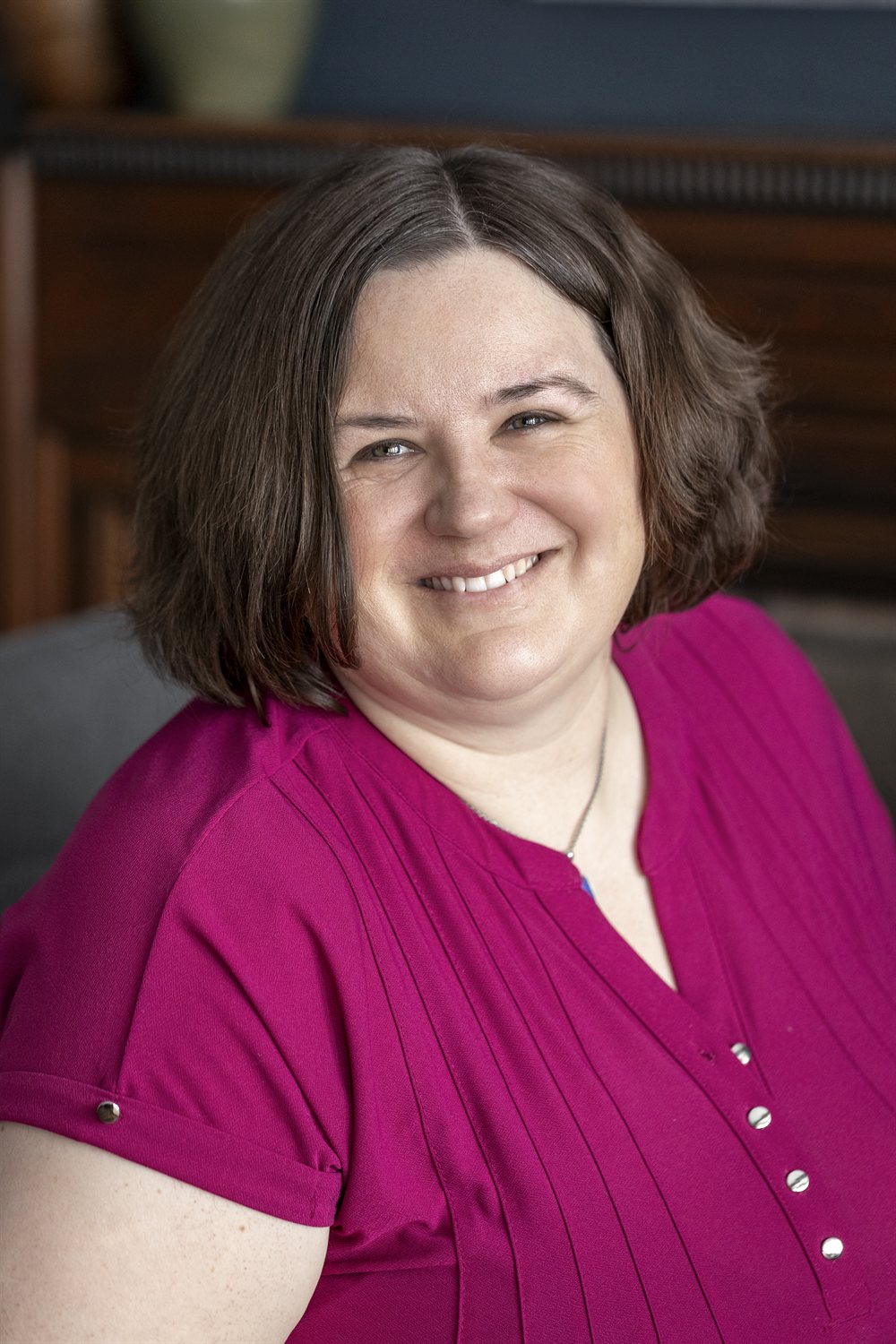
● Accepting new clients
BSW, MSW, RSW
10+ years in addiction and mental health support. Modalities include Recovery Model, CBT, DBT, and Motivational Interviewing. Works with both harm-reduction and abstinence-based approaches. Works with youth 16+, adults, and elders.
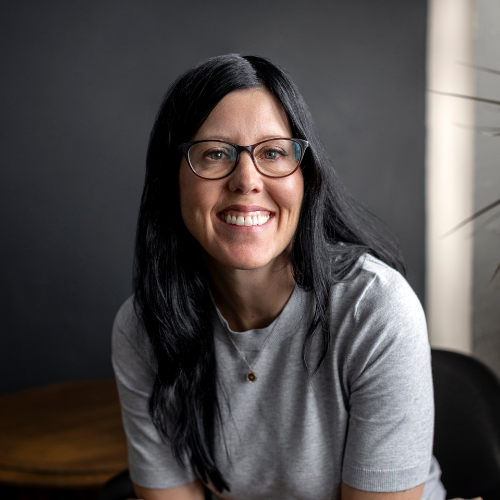
● Accepting new clients
MSW, RSW
CBT-trained, working with substance use alongside trauma, anxiety, and mood concerns. Works with both harm-reduction and abstinence-based approaches. Works with adults and youth 12+.
Common Questions
Do I have to be in recovery to start therapy?
Not necessarily — it depends on the therapist and your specific situation, since each therapist here works differently with clients who are currently using versus those who are stable or in recovery. Mention where you're at when you reach out, and we'll help match you with a therapist whose current approach fits.
Is therapy confidential if I talk about substance use?
Yes. Confidentiality applies to everything discussed in therapy, including substance use, with limited exceptions your therapist will explain clearly (for example, imminent risk of serious harm). Using substances itself is not one of those exceptions.
How is private therapy different from Here24/7 or a RAAM clinic?
Community services provide excellent crisis support, assessment, and residential treatment. Private therapy offers ongoing, one-on-one counselling — private, flexible, and self-referred. The two aren't competing; many people use both, and if you need residential treatment or are in crisis, we'll help you find the right resource.
Is addiction counselling covered by insurance?
Sessions with these RSW-credentialed therapists are covered the same way any other therapy session is by most extended health plans that include social work services. See fees and insurance →
What if I relapse during therapy?
Relapse is a common part of many people's process, not a failure or a reason to stop therapy — processing it in session can be some of the most valuable work you do.
What if my family member needs help, not me?
Loving someone with an addiction carries its own weight. Therapy can support family members independently — processing your own experience, setting boundaries, and taking care of yourself. Reach out to discuss what that could look like.
You Don't Have to Figure This Out Alone
Private, confidential addiction counselling in Kitchener-Waterloo. No referral required, no judgment.